Wondering whether your Fort Lauderdale second home should be a luxury condo or a single-family home? In this market, that choice often comes down to how you want to live when you are here, how much upkeep you want when you are away, and whether boating, privacy, or beach access matters most. If you are weighing convenience against control, this guide will help you compare the trade-offs with Fort Lauderdale-specific context. Let’s dive in.
Why Fort Lauderdale Changes the Equation
Fort Lauderdale is not a one-size-fits-all second-home market. The city notes 165 miles of navigable waterways, seven miles of beaches, and public marine facilities, while the broader destination is known for a 24-mile coastal stretch and major lifestyle corridors like Las Olas Boulevard. That means your decision is shaped as much by location and use pattern as by square footage.
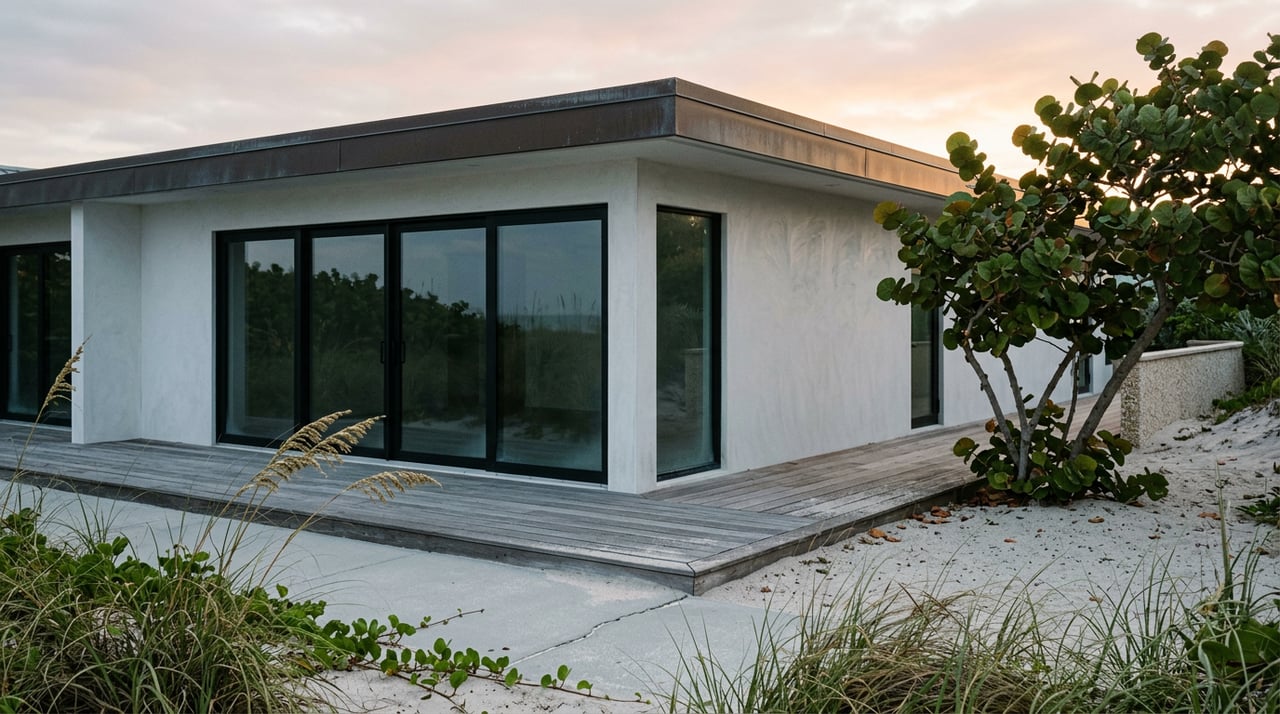
If you picture a turn-key home base near the beach or downtown, a condo may feel like the cleaner fit. If you want a more private retreat with outdoor space, room to customize, or a stronger boating setup, a single-family home often makes more sense. In Fort Lauderdale, lifestyle and property type are closely linked.
Luxury Condo Benefits for Second Owners
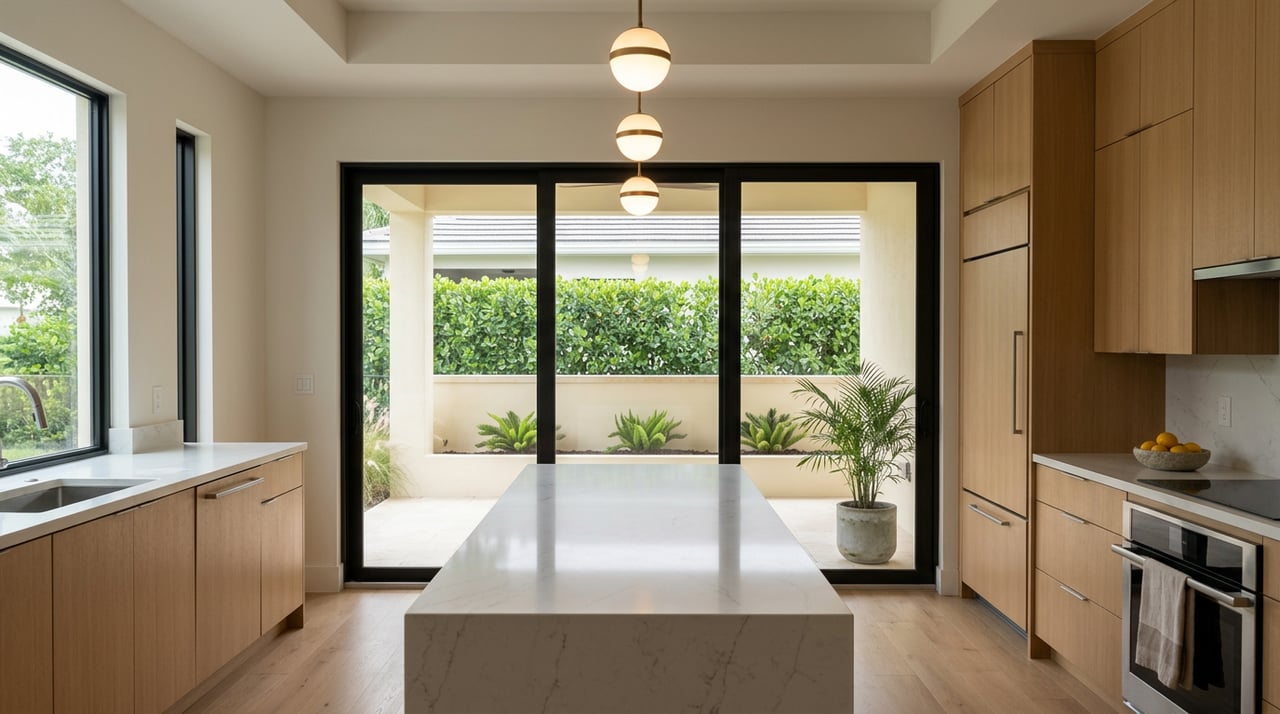
For many second-home buyers, the biggest condo advantage is simplicity. Florida condo law places maintenance and insurance responsibilities on the association for condominium property, which supports the classic lock-and-leave appeal. If you plan to visit seasonally or only a few times a year, that lower-touch ownership model can be very attractive.
That convenience comes with structure. Florida requires many condo associations to maintain adequate property insurance, and for many buildings three habitable stories or higher, structural integrity reserve studies are required at least every 10 years. Milestone inspections also apply to many older multi-story buildings, which means buyers should expect more building-level oversight than they might in a detached home.
Insurance can also feel more defined with a condo. Florida consumer guidance says condo owners generally carry an HO-6 policy focused on the unit interior, personal property, liability, and possible loss assessments. That can be simpler than insuring an entire detached property, but you still need to review exactly what the association covers and what falls to you.
When a Condo Usually Fits Best
A luxury condo is often the better match when you want:
- A low-maintenance second home
- Easier lock-and-leave ownership
- Proximity to the beach, Las Olas, or downtown areas
- Less responsibility for exterior upkeep
- A lower entry point than a luxury single-family home
For many buyers, the appeal is not just convenience. It is the ability to arrive, enjoy Fort Lauderdale, and leave without managing as many moving parts.
Single-Family Home Benefits for Second Owners
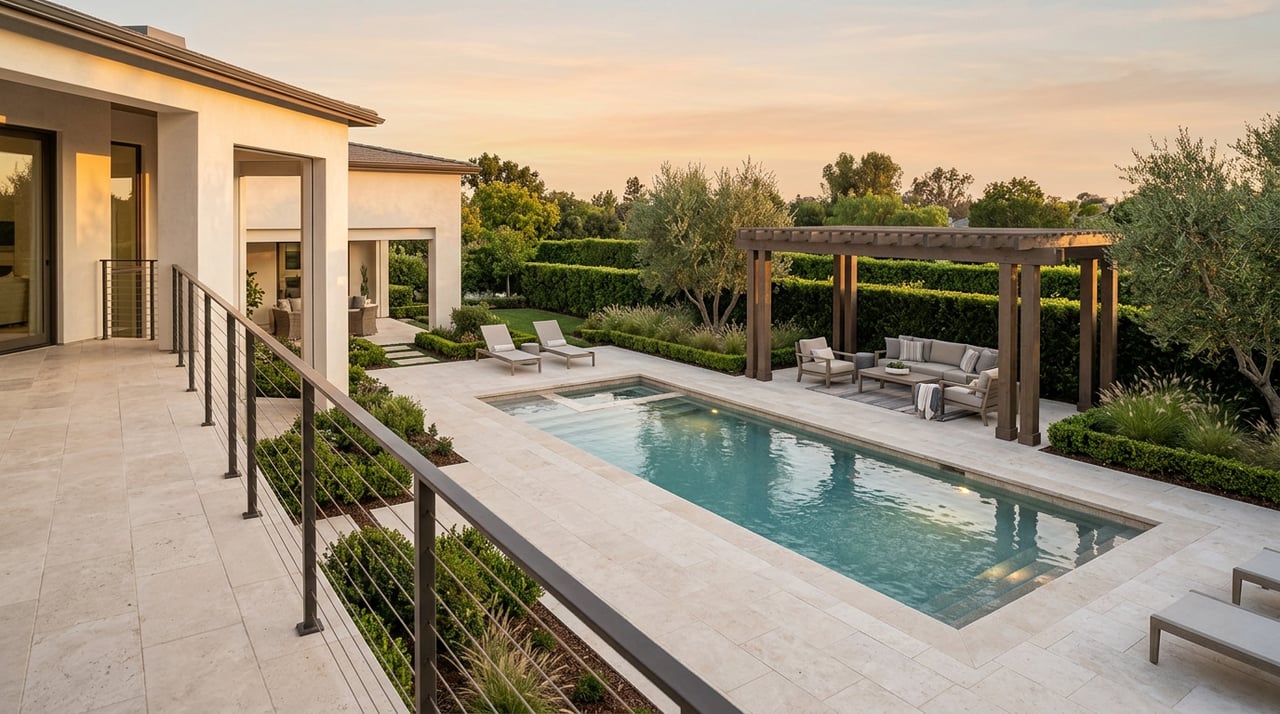
A single-family home offers something different: control. You have more say over your outdoor space, more privacy, and often more flexibility in how the property functions day to day. For second owners who spend longer stretches in South Florida, that extra autonomy can outweigh the added upkeep.
This can matter even more in a waterfront market. Fort Lauderdale’s marine infrastructure includes public docking, boat ramps, marina facilities, and 149 slips across the city’s New River and Cooley’s Landing facilities. If your ideal second home includes private dockage, direct water access, or a more boat-centered lifestyle, a detached waterfront home is usually the more natural fit.
Insurance and maintenance are the trade-off. Florida guidance says standard homeowners insurance typically covers the dwelling, other structures, and personal property, but usually does not cover flood. In a coastal market like Fort Lauderdale, especially for waterfront or lower-lying parcels, separate flood coverage may be part of the ownership picture.
When a Home Usually Fits Best
A luxury single-family home is often the stronger fit when you want:
- More privacy
- More outdoor living space
- Space for a pool, dock, or entertaining areas
- Greater freedom over property use and improvements
- A stronger boating or waterfront use case
For many buyers, the value is not only in the home itself. It is in having a more personal, private South Florida base that feels tailored to how you live.
Price Differences in Fort Lauderdale
The price gap between condos and homes in Fort Lauderdale is meaningful. According to Q1 2025 residential data, the median condo sale was $425,000, compared with $775,000 for single-family homes. In the luxury segment, the median condo sale was $1.88 million, while the median luxury single-family sale reached $4.95 million.
Waterfront pricing shows a similar split. The median waterfront condo sale was $515,000, compared with $2.5 million for waterfront single-family homes. If you want water exposure without committing to a detached waterfront property, a condo can offer a very different entry point.
Inventory also tells an important story. Condo inventory reached 2,007 listings with 13.9 months of supply, while single-family inventory stood at 1,088 listings with 8.8 months of supply. In practical terms, that suggests condos offer buyers more choices and often more negotiating room, while detached homes remain relatively tighter and more expensive.
Carrying Costs Matter More Than Purchase Price
Second-home buyers often focus first on the headline price, but monthly and annual carrying costs can shape your experience just as much. With a condo, you need to weigh association dues, reserve funding, insurance for your unit interior, and the possibility of special assessments. A lower-maintenance property can still carry meaningful ongoing costs.
With a single-family home, your costs may lean more heavily toward insurance, flood coverage when needed, exterior upkeep, landscaping, pool service, dock maintenance, and general property care while you are away. The budget may be less centralized than in a condo, but it can be broader in scope.
Property taxes are another area where second-home buyers should stay realistic. Broward County’s property appraiser states that the Florida homestead exemption applies to a permanent residence. If your Fort Lauderdale property is a second home or vacation home, it generally should be evaluated using non-homestead tax assumptions.
Rental Plans Need Careful Review
If you may rent the property occasionally, do not assume either option is automatically flexible. Fort Lauderdale defines a vacation rental broadly as a single-family, two-family, three-family, or four-family dwelling unit, or condominium, advertised for 30 days or less to transient occupants. The city requires registration and says the property must be licensed by the state and county before the city application is filed.
The city also tightened enforcement in 2023, including a noise-detection-device requirement and higher penalties. That makes short-term rental use a compliance issue, not just a preference. Before you buy, it is important to confirm what the property can legally and practically support.
For condos, you also need to review the declaration, bylaws, and rules of the association. Florida law provides guidance on how rental restrictions may apply, including changes to rental terms and limits on the number of rentals. The bottom line is simple: rental flexibility depends on both city rules and private governing documents.
Which Option Fits Your Second-Home Goals?
The right answer usually comes back to how you plan to use the property. If your goal is a polished, low-maintenance base near the beach or Las Olas, a condo often checks the right boxes. If your vision includes privacy, outdoor living, and a stronger waterfront or boating lifestyle, a single-family home is often worth the extra cost and responsibility.
Here is a simple way to think about it:
| If you value... | A condo may fit better | A home may fit better |
|---|---|---|
| Low-maintenance ownership | Yes | Sometimes |
| Lock-and-leave convenience | Yes | Less often |
| Privacy and control | Less often | Yes |
| Boating and private dockage | Sometimes | Yes |
| Lower luxury price point | Yes | Less often |
| More customization | Less often | Yes |
Fort Lauderdale supports both lifestyles well. The key is choosing the ownership structure that matches how often you will use the property, how much management you want, and what kind of South Florida experience you want to create.
In a market this nuanced, the best second-home decision is rarely just about square footage or price per foot. It is about fit, carrying costs, and the way you want your time in Fort Lauderdale to feel. If you are comparing luxury condos and homes with an eye toward design, lifestyle, and long-term value, Scott Correale can help you sort through the details and schedule a private consultation.
FAQs
What is the main advantage of a Fort Lauderdale luxury condo for second owners?
- A luxury condo often offers easier lock-and-leave ownership, with much of the building maintenance handled through the association.
What is the main advantage of a Fort Lauderdale single-family home for second owners?
- A single-family home usually offers more privacy, more outdoor control, and a better fit for buyers who want boating access or private dockage.
Are Fort Lauderdale condos cheaper than homes in the luxury market?
- Based on Q1 2025 data, yes. The median luxury condo sale was $1.88 million, compared with $4.95 million for luxury single-family homes.
Can you rent out a second home in Fort Lauderdale on a short-term basis?
- Possibly, but you need to verify city registration and licensing requirements, plus any association rules or private restrictions that apply to the property.
Do second homes in Broward County get the homestead exemption?
- Generally no. Broward County states the homestead exemption applies to a permanent residence, so second homes are typically evaluated without homestead savings.
Is a Fort Lauderdale condo easier to insure than a detached home?
- In many cases, yes, because condo owners generally insure the interior of the unit and personal property, while detached homeowners typically insure the full structure and may also need separate flood coverage.