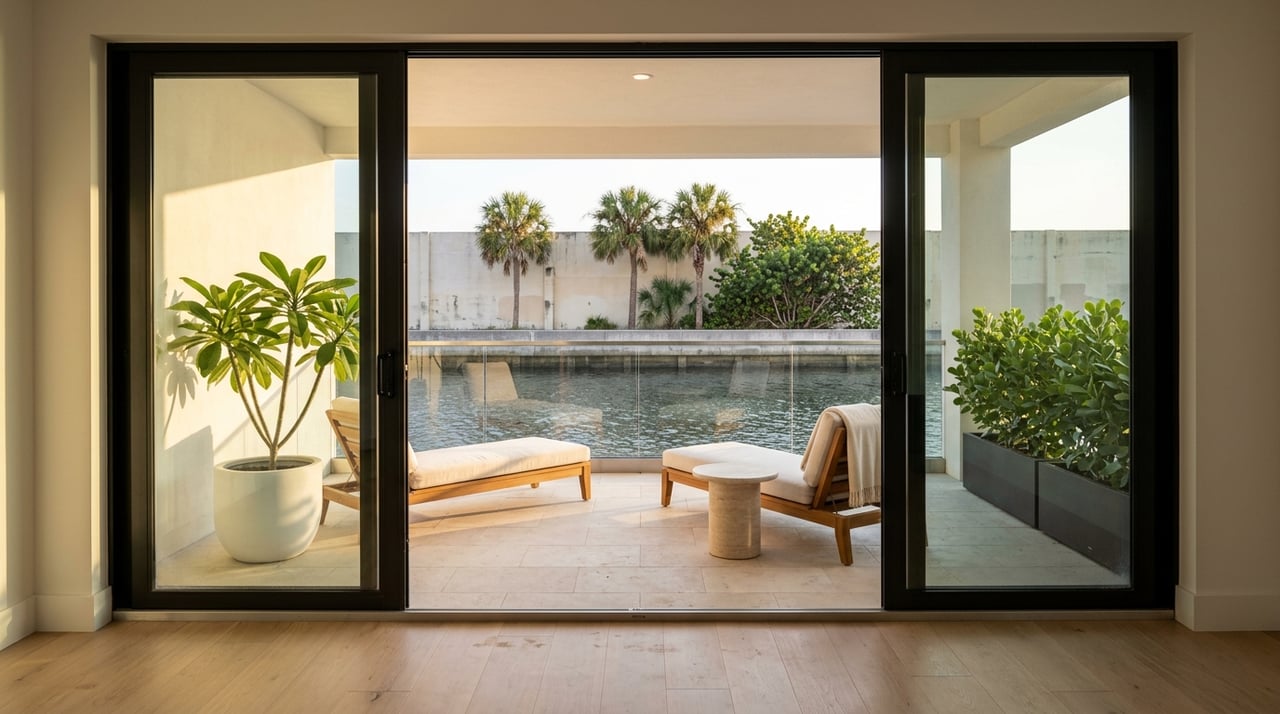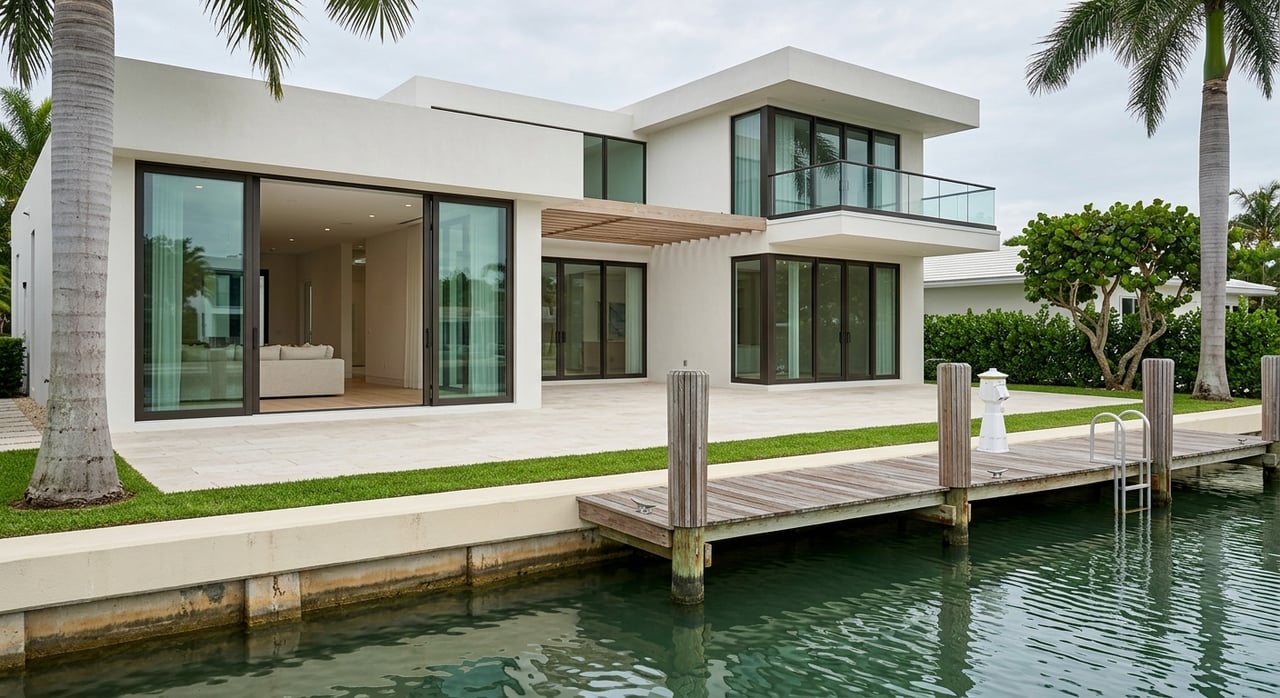
Canal-front living in Fort Lauderdale offers something few places can match: a daily connection to the water that shapes how you move, renovate, and enjoy your home. If you are drawn to the idea of keeping a boat behind the house, watching traffic on the canals, or comparing waterfront options in South Florida, it helps to know that not all waterfront property works the same way here. This guide will show you what makes Fort Lauderdale canal-front ownership distinctive, what to look for in different areas, and which practical details matter most before you buy. Let’s dive in.
Why canal-front living stands out
Fort Lauderdale is built around the water in a very literal way. The city has 165 miles of inland waterways and is widely known as the Venice of America, with marinas, municipal docking, and pump-out stations woven into everyday infrastructure.
That matters because canal-front value is often tied more closely to dock use and water access than to the street side of the lot. In many cases, buyers are not just choosing a home. You are also choosing a boating route, a bridge pattern, and a certain level of day-to-day connection to the Intracoastal Waterway.
The city’s waterway network also plays a visible role in local life. Fort Lauderdale publishes water-quality data for canal and river locations including Himmarshee Canal, Middle River, New River North Fork, and the SE 17th Street Bridge area, which reflects how central these waterways are to waterfront neighborhoods.
Canal-front versus oceanfront homes
Canal-front and oceanfront properties usually appeal to different priorities. Canal-front homes tend to attract buyers who want private dockage and easier inland-waterway access, while oceanfront properties are more closely associated with direct Atlantic frontage and beach access.
There is also a noticeable difference in the housing pattern. Based on the city’s survey materials, canal-front neighborhoods more often center on single-family homes with dock ownership, while some beachfront districts include multiple-dwelling buildings, resort uses, and Miami Modern architecture.
If boating is part of your lifestyle, canal-front property can offer a level of utility that oceanfront homes may not. If direct beach access is your top priority, your search may head in a different direction.
Fort Lauderdale neighborhood patterns
Fort Lauderdale’s neighborhood-association roster includes many waterfront areas that come up often in canal-front searches. These include Bal Harbour, Bermuda Riviera, Coral Ridge, Harbor Beach, Lauderdale Harbours, Lauderdale Isles, Las Olas Isles, Nurmi Isles, Rio Vista, and Sunrise Key.
What makes the city especially interesting is that there is no single canal-front template. Lot shapes, home styles, and water orientation can shift significantly from one area to another, so a neighborhood that looks ideal on a map may feel very different once you study its parcel layout and water access.
Rio Vista and Rio Vista Isles
Rio Vista is one of Fort Lauderdale’s oldest neighborhoods and sits on the south shore of the New River. The city survey notes that it developed during the 1920s boom years and was intended to highlight Mediterranean Revival homes in a subtropical setting.
Rio Vista Isles adds another layer to the story. The finger islands there were dredged off Las Olas Boulevard to create all-waterfront properties, and the city records that 50-foot-wide riverfront lots were advertised in 1925. For you as a buyer, that history helps explain why canal-front lot width and water orientation can vary so much.
Colee Hammock and mixed architecture
Colee Hammock reflects a broader architectural mix. The city documents styles there including Art Moderne, Mission, Spanish Revival, Georgian Revival, Transitional Ranch, Minimal Traditional, and Craftsman.
That range is helpful if you care about design. It shows that Fort Lauderdale waterfront living is not limited to one era or look, and that homes can reflect several waves of development rather than a single, uniform style.
Coral Ridge and later waterfront districts
In later waterfront districts such as Coral Ridge, Bal Harbour, Laudergate Isles, and Dolphin Isles, the city’s 2025 survey identifies Mid-Century Modern, Ranch, Split Level, Styled Ranch, Masonry Vernacular, and related building types. In short, Fort Lauderdale’s canal and coastal housing stock is layered, varied, and highly location-specific.
That mix can be a major advantage if you are looking for a property with architectural character. It also means that renovation scope, seawall condition, and dock configuration may differ just as much as design style.
Bridges and boating access matter
One of the biggest mistakes buyers can make is focusing only on the dock behind the home. In Fort Lauderdale, the route from that dock to open water can be just as important as the property itself.
Bridge clearance is often the key filter. NOAA’s Coast Pilot reports that the East Las Olas Bridge has a bascule span with a reported 24-foot clearance at the center and opens on the quarter-hour and three-quarter hour. The SE 17th Street Bridge has an authorized 55-foot clearance at the center and opens on the hour and half-hour, with weekday rush-hour restrictions.
If you own, or plan to own, a taller boat, sailboat, or yacht, those details matter. A property may look ideal on paper, but if your vessel cannot comfortably clear a bridge on the route out, the home may not fit your needs.
Tides can change clearance
Fort Lauderdale also warns that high tides reduce clearance under fixed bridges. The city notes that tide information is important for maritime navigation, bridge construction, dock construction, and seawall work.
That means you should think in real operating terms, not just listing terms. The usable route from dock to open water may change with the tide, so practical boating access is something to verify early.
Water-route efficiency is part of value
NOAA notes that the canals between the manmade islands are used by riparian owners and their guests, and that several thousand yachts base in Fort Lauderdale during the winter. That helps explain why efficient water access carries real value in this market.
For many buyers, the right home is not simply the one with waterfront footage. It is the one where dock size, canal width, bridge pattern, and route to the Intracoastal align with how you actually plan to use the boat.
Renovation priorities for canal-front homes
In Fort Lauderdale, a canal-front purchase often comes with a second layer of due diligence: understanding the property’s waterfront infrastructure. Seawalls, docks, drainage, and flood protection are not minor details here.
Broward County’s regional policy calls for consistent top elevations for seawalls, banks, berms, and related infrastructure in tidally influenced areas. The City of Fort Lauderdale also offers a Living Seawall Permit Fee Assistance Program that provides a 100% discount on seawall building permit base fees for qualifying habitat-enhancing projects.
Seawalls and dock work
If you want to build or modify exterior improvements, the city says a current signed and sealed survey and a site plan are required, and docks and seawalls are among the listed permit types. Broward County also states that projects changing the flow of surface water require a permit in the county’s Water Management Division areas.
In some city seawall projects, dock design can face additional limits. The city says floating docks or fixed docks at a required elevation may be necessary, and features such as cleats, ladders, ramps, mooring whips, and boat lifts may not be allowed to penetrate or permanently attach to the seawall unless specifically approved.
Flood resilience and insurance
The city recommends several flood-readiness measures, including flood insurance, regrading where needed, floodwalls, check valves, elevated electrical and mechanical equipment, storm shutters, impact windows, and reinforced garage doors. It also notes that homeowner and renter policies usually do not cover flood damage.
Fort Lauderdale’s participation in the NFIP Community Rating System currently translates to a 20% savings on flood-insurance premiums for residents. Even with that benefit, flood-zone details, elevation data, and insurance costs should be part of your review before you move forward.
Drainage and canal maintenance
Because canals are part of the stormwater system, drainage and maintenance are ongoing concerns. Broward County explains that canals and lakes help move rainwater from developed land to the ocean, and canal maintenance can include weed removal, bank restoration, dredging, and related work.
Some neighborhoods may also have added layers of local governance. Lauderdale Isles has a water-management district focused on canal cleanup, dredging, water-quality testing, navigation hazards, derelict vessels, manatee protection, and stormwater control. Sunrise Key has a neighborhood-improvement district that funds beautification and security.
A practical buyer checklist
If you are comparing canal-front homes in Fort Lauderdale, it helps to review each property through both a lifestyle lens and an infrastructure lens. A beautiful view is important, but the best purchase decision usually comes from understanding how the property performs in real life.
Here is a practical checklist to keep in mind:
- Confirm the dock permit status
- Check bridge clearance for your intended boat
- Review bridge opening schedules on your route
- Evaluate seawall condition and elevation
- Obtain flood-zone and elevation-certificate information
- Ask whether the neighborhood has special district assessments or maintenance obligations
- Consider how tides may affect access under fixed bridges
- Review whether future dock or seawall changes may require added approvals
How to think about the trade-offs
Canal-front living in Fort Lauderdale can be rewarding, especially if you value private boating access and a strong connection to the city’s inland waterways. At the same time, the right purchase often depends on details that are easy to miss at first glance, such as lot width, canal orientation, bridge clearance, seawall requirements, and maintenance obligations.
If you approach the search carefully, you can narrow in on the kind of waterfront ownership that truly fits your lifestyle. For design-minded buyers, that may also mean finding the rare property where architecture, dockability, and long-term practicality all come together.
If you want expert guidance on evaluating South Florida waterfront property with a thoughtful, tailored approach, Scott Correale can help you schedule a private consultation.
FAQs
What makes canal-front living in Fort Lauderdale different from other waterfront markets?
- Fort Lauderdale has 165 miles of inland waterways, plus marinas, municipal docking, and water-based infrastructure that make boating and canal access part of everyday ownership.
What should you check before buying a canal-front home in Fort Lauderdale?
- You should verify dock permit status, review bridge clearances and opening schedules, assess seawall condition and elevation, and confirm flood-zone and elevation-certificate information.
Why do bridge clearances matter for Fort Lauderdale canal-front properties?
- Bridge clearances affect whether your boat can reach open water efficiently, and high tides can reduce clearance under fixed bridges.
How do canal-front homes differ from oceanfront homes in Fort Lauderdale?
- Canal-front homes are generally chosen for private dockage and inland-waterway convenience, while oceanfront properties are more closely tied to beach and Atlantic access.
Are Fort Lauderdale canal-front homes affected by special maintenance districts?
- Some neighborhoods are, and those districts may address issues such as canal cleanup, dredging, water-quality testing, stormwater control, beautification, or other local upkeep needs.