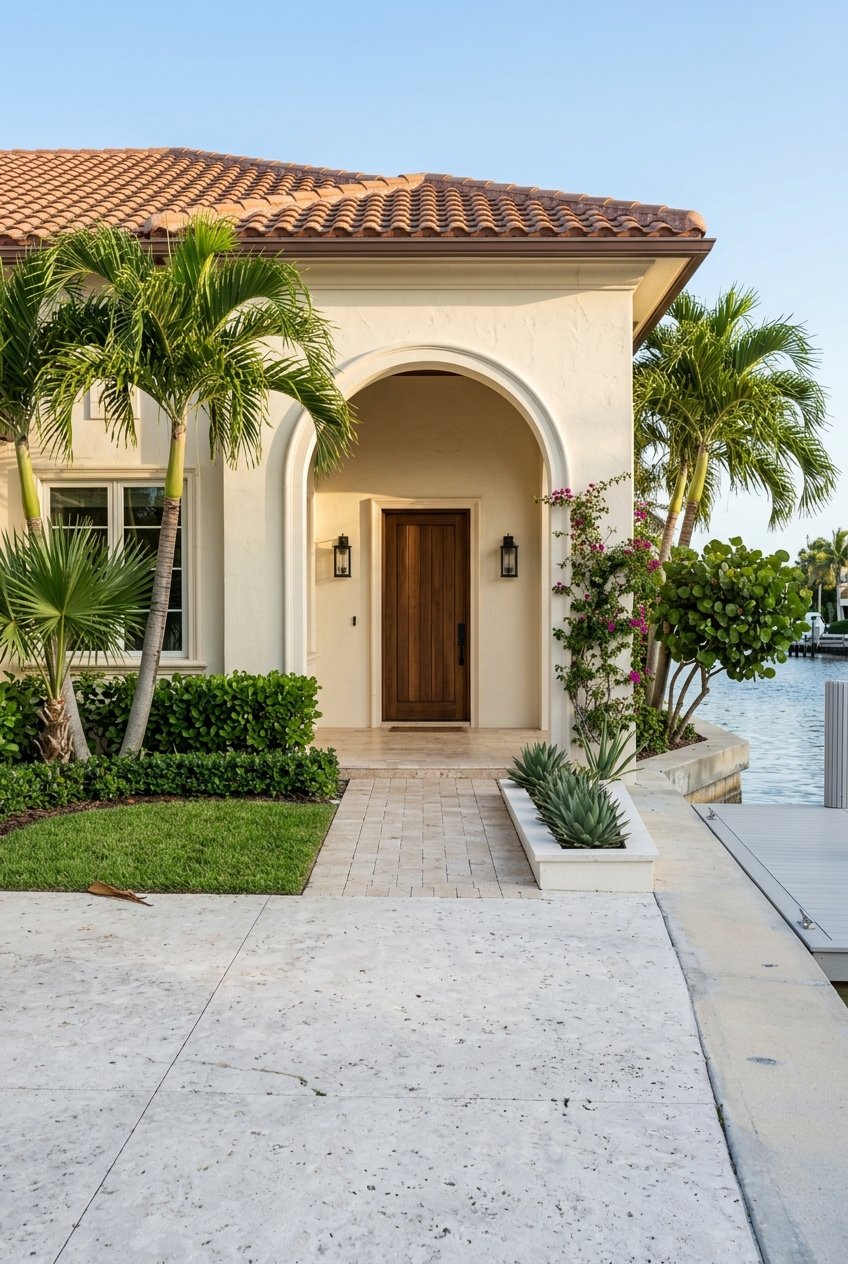
You can get two very different versions of Stuart living within just a short distance of each other. One puts you near private docks, quieter streets, and a more tucked-away residential rhythm. The other places you within walking distance of the Riverwalk, restaurants, galleries, and downtown events. If you are deciding between Stuart’s waterfront enclaves and downtown living, the key is understanding how each setting shapes your daily routine, housing options, and price expectations. Let’s dive in.
Why this Stuart comparison matters
Stuart’s setting along the St. Lucie River, just west of the Indian River Lagoon, gives buyers a rare choice in lifestyle. The city describes downtown Stuart as a historic center with older neighborhoods, along with a mix of townhomes and condominiums in a revitalized core.
That means your decision is not simply about being near the water. In Stuart, both downtown and waterfront enclaves connect to the riverfront experience, but they do so in very different ways. The right fit depends on whether you want a more walkable, activity-centered environment or a more private, water-oriented neighborhood.
What downtown Stuart living feels like
Downtown Stuart is the more walkable and social option. Historic Downtown Stuart includes more than 50 locally owned shops, restaurants, and galleries, along with the Riverwalk, the Lyric Theatre, and a steady calendar of events.
The downtown waterfront experience centers around Riverwalk Park, the city docks, Flagler Park, and the Creek Arts & Entertainment District. The city describes the Riverwalk as a boardwalk over the St. Lucie River, while the city docks allow daytime boat visits with direct access to downtown shops and restaurants.
If you enjoy being able to step out for dinner, stroll along the water, or spend time near arts and entertainment activity, downtown offers that convenience. The Creek Arts & Entertainment District adds another layer, with monthly art walks and a cluster of galleries, shops, and eateries.
Downtown housing types
Downtown Stuart is also more varied in architecture and housing form than many waterfront communities. The city’s historic survey notes that historic residential buildings in downtown include single-family homes, apartments, boarding houses, and outbuildings built before 1960, with both small bungalows and larger apartment houses represented.
City history pages also note a blend of older neighborhoods, modern townhomes, and condominiums. For you as a buyer, that can mean a broader mix of styles and maintenance levels, depending on where in the downtown area you focus.
Downtown tradeoffs to expect
The biggest advantage of downtown is convenience and activity. You are generally closer to dining, shopping, festivals, galleries, and riverfront public spaces.
The tradeoff is that downtown is usually less centered on private docks, boat slips, and larger-lot privacy. If your top priority is a quiet boating lifestyle with more separation from the commercial core, downtown may feel more active than secluded.
What Stuart waterfront enclaves feel like
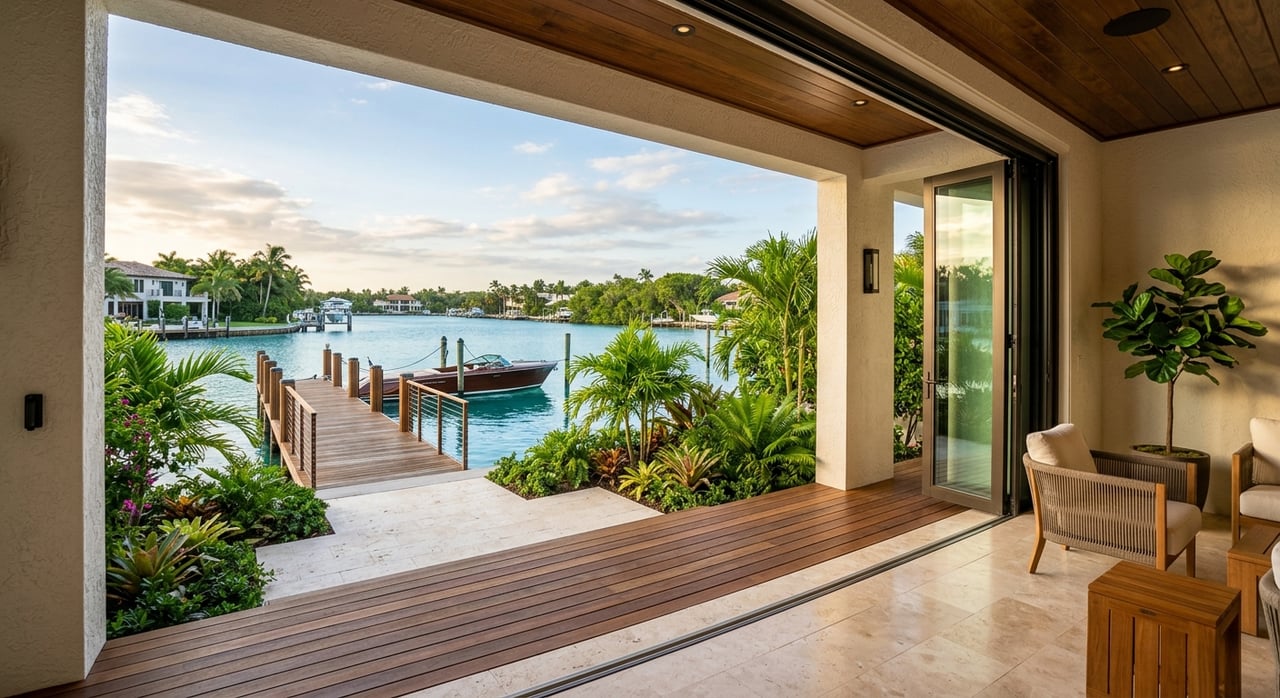
Waterfront enclaves around Stuart tend to offer a different pace. These communities generally emphasize boating access, marina or dock amenities, and quieter residential streets rather than a dense pedestrian core.
The common thread is lower-density, water-oriented living. In practical terms, that often means your daily experience is shaped more by the marina, the river, and neighborhood amenities than by a walkable downtown environment.
Examples of waterfront enclaves
Several communities in and around Stuart illustrate this pattern:
- Snug Harbor describes itself as a low-density neighborhood with 72 waterfront and inland homes, plus a deep-water marina and boat ramp.
- North River Shores is described as a boating community on the North Fork of the St. Lucie River that is still a short bike ride from downtown.
- Mariner Cay is a private gated waterfront community on the Manatee Pocket with deep-water access.
- Port Sewall Harbor & Tennis Club is a 116-home single-family community minutes from the St. Lucie River, Intracoastal Waterway, and Atlantic beaches.
- Riverland is a 55-plus cooperative on the South Fork of the St. Lucie River with a private marina.
These examples show that “waterfront enclave” can mean different things. One neighborhood may lean toward single-family homes and privacy, while another may include condominiums, cooperative ownership, or gated marina living.
Waterfront housing types
Property types in these enclaves are usually more water-oriented and lower density than downtown. Mariner Cay includes 67 single-family home sites and 88 condominiums, while Port Sewall Harbor & Tennis Club is entirely single-family.
Snug Harbor focuses on waterfront and inland homes, and Riverland is a cooperative residential community. So if you are comparing options, it helps to look closely at the exact housing form, not just the general area.
Waterfront tradeoffs to expect
The biggest draw here is privacy, boating access, and a more secluded daily rhythm. If your ideal day includes keeping a boat nearby, enjoying a marina setting, or living on a quieter residential street, these neighborhoods may feel like a better fit.
The tradeoff is convenience on foot. While some communities remain close to downtown, the lifestyle is generally less centered on walking to restaurants, galleries, and events.
Lifestyle differences side by side
Choosing between the two often comes down to how you want your week to feel. Stuart’s micro-locations can create very different routines, even when homes sit only a short drive apart.
| Feature | Downtown Stuart | Waterfront Enclaves |
|---|---|---|
| Daily rhythm | More active and walkable | More private and residential |
| Main appeal | Shops, dining, Riverwalk, events | Boating access, marinas, quieter streets |
| Housing mix | Historic homes, condos, townhomes, apartments | Single-family homes, condos, cooperatives |
| Density | More mixed and compact | Lower density |
| Water access focus | Public riverfront and docks | Private or semi-private water-oriented amenities |
This is why broad assumptions can miss the mark. In Stuart, the question is not simply waterfront versus non-waterfront. It is really about which kind of waterfront-connected lifestyle suits you best.
Pricing is more nuanced than it looks
One of the most important takeaways is that Stuart behaves like a set of micro-markets. Realtor.com describes Stuart as a negotiable market overall, with homes selling below asking on average, but pricing varies significantly by neighborhood and ZIP code.
The report cites broad median listing prices of about $295,000 in ZIP code 34994 and about $467,000 in ZIP code 34997. It also notes that Old Historic Downtown Stuart showed a much higher median home price of about $1.15 million, with roughly 76 days on market in December 2025.
That data matters because it challenges a common assumption. Downtown is not automatically the budget option, and waterfront enclaves are not automatically limited to only ultra-luxury properties.
Why prices vary so much
In downtown Stuart, values can range from more accessible condo and townhome inventory to scarce historic homes in the core with much higher price points. In waterfront enclaves, prices depend heavily on the exact location, whether the property has water access, and whether the home is a condo, cooperative unit, or single-family residence.
That means you should compare properties block by block and community by community. Two homes that look close on a map may offer very different pricing, architecture, and day-to-day experience.
Which Stuart setting may fit you best
If you are trying to narrow your search, start with your priorities rather than a label. The better choice usually becomes clear once you define how you want to live, not just where you want to buy.
Downtown may fit you if
- You want to walk to restaurants, galleries, or local events
- You enjoy a more active, mixed-use environment
- You like the character of older homes or the convenience of townhomes and condos
- You want to be near the Riverwalk, city docks, and arts activity
Waterfront enclaves may fit you if
- You prioritize boating access or marina amenities
- You prefer a quieter residential setting
- You want lower-density surroundings
- You are looking for private or semi-private water-oriented amenities
Neither option is universally better. The right answer depends on whether you value downtown energy or a more tucked-away waterfront rhythm.
Why a local, detailed search matters
In Stuart, broad labels can only take you so far. The city’s downtown core, historic housing stock, riverfront parks, marina access, and surrounding waterfront communities all create a market where details matter.
That is why a thoughtful search should go beyond price and bedroom count. Architecture, housing form, walkability, boating access, and daily pace all deserve equal attention when you compare neighborhoods here.
If you are weighing Stuart waterfront enclaves against downtown living, a tailored strategy can help you focus on the areas that truly match your goals. To explore Stuart with a design-minded, detail-focused approach, connect with Scott Correale.
FAQs
What is the main difference between downtown Stuart and Stuart waterfront enclaves?
- Downtown Stuart is generally more walkable and centered on shops, restaurants, galleries, events, and public riverfront spaces, while waterfront enclaves tend to focus more on boating access, marina or dock amenities, and quieter residential streets.
Are downtown Stuart homes always less expensive than waterfront homes?
- No. The research shows Stuart operates as a set of micro-markets, and Old Historic Downtown Stuart has shown much higher pricing than some broader ZIP-code figures, while waterfront pricing varies widely based on location, water access, and property type.
What types of homes are common in downtown Stuart?
- Downtown Stuart includes a varied mix of older single-family homes, apartments, modern townhomes, and condominiums, along with historic residential buildings built before 1960.
What types of homes are common in Stuart waterfront enclaves?
- Waterfront enclaves commonly include lower-density, water-oriented housing such as single-family homes, condominiums, and cooperative communities, depending on the neighborhood.
Is downtown Stuart good for boating access?
- Downtown Stuart offers access to the city docks and a riverfront setting, but the lifestyle is generally less focused on private docks and boat slips than many of the dedicated waterfront enclaves.
How should you choose between Stuart neighborhoods?
- Start by identifying your priorities, such as walkability, boating access, privacy, housing style, and daily pace, then compare neighborhoods closely because homes only a short distance apart can deliver very different experiences.