Wondering when your Palm Beach home will attract the most qualified buyers and strongest offers? You are not alone. Timing your sale in a seasonal market can make a real difference in price, days on market, and overall experience. In this guide, you will learn the best months to list, the ideal prep timeline, presentation tips that resonate with Palm Beach buyers, and smart off-season strategies. Let’s dive in.
Palm Beach buyer demand peaks
Buyer activity in Palm Beach follows a clear pattern. Demand rises in late fall and peaks during winter, roughly December through March. That is when seasonal residents arrive, out-of-state buyers are in town, and second-home activity accelerates. Spring often remains active, but momentum usually tapers from the winter high.
June through October is typically quieter. Summer travel and hurricane-season uncertainty can reduce showings and delay decisions. If you want the largest pool of motivated buyers, plan to list before or during the winter season so your property is live when traffic is strongest.
Why does this seasonality matter? Many Palm Beach buyers are part-time residents from the Northeast and Midwest who focus their searches in winter. Luxury and second-home purchases are also discretionary, so those buyers often tour and transact when they are in town for events and the dry-season weather. If your property appeals to these segments, aligning with the winter window can help you reach them when they are most active.
List now or wait
If you can be flexible, aim to have your home on the market in late fall or early winter. That timing lets you capture early-season interest and the full winter wave. You can also leverage pre-market buzz if your agent’s strategy allows a brief Coming Soon period that complies with MLS rules.
There are good reasons to list off-season too. With fewer active listings in summer and early fall, your home may face less direct competition. The buyer pool is smaller, but motivated buyers still shop year-round. If you choose an off-season launch, plan for pricing precision and targeted outreach to local buyers and investors.
When deciding whether to wait, weigh the potential price lift from peak-season exposure against holding costs like maintenance, taxes, and insurance. In many Palm Beach submarkets, winter visibility creates stronger pricing tension for waterfront and luxury homes. Your best move is the one that balances market conditions with your timeline and financial goals.
Timing by property and buyer
Not every property is affected the same way by seasonality. Consider your likely buyer and how that shapes timing.
- Luxury waterfront homes and high-end condos. Winter tends to deliver more qualified showings and stronger per-square-foot pressure. Out-of-area buyers are in town and often prefer turnkey, design-forward properties.
- Entry-level and mid-market single-family homes. Seasonality still exists, but buyers shopping for primary residences can be more evenly distributed across the year. Spring can be a productive window for financed buyers.
- Condos with rental potential. Investor demand can be steady through the year. If your building allows short-term rentals, highlight rental rules and association documents upfront. Early disclosure increases confidence.
- Investor-focused properties. Some investors prefer off-season acquisitions when competition is thinner. Clear HOA rules and operating numbers help these buyers move quickly.
Your agent should monitor months of supply, new listing trends, and days on market in your micro-market and property type. That context helps you fine-tune timing and pricing when you go live.
Prep timeline for winter
If you want to launch into the winter season, the right preparation begins in early fall. Use these lead times as a planning guide and adjust based on the scope of work.
- Major projects. Kitchen or bath remodels, roof work, or structural repairs often require 8 to 16 weeks or more. Avoid starting large projects too close to your target date.
- Cosmetic refresh. Painting, flooring updates, and landscaping usually need 4 to 8 weeks.
- Light prep. Decluttering, deep cleaning, touch-up paint, and minor repairs should take 2 to 4 weeks.
- Staging and photography. Plan staging 1 to 2 weeks before photos. Photograph after staging is complete.
- Pre-list inspection. Optional but helpful. Schedule 2 to 4 weeks before listing so you can address issues and prepare disclosures.
- HOA or condo documents. Many associations need 2 to 3 weeks to assemble resale packets. Start early.
- Title and closing setup. Get quotes and preliminary payoff figures 2 to 4 weeks ahead to keep your closing on track.
A simple way to work backward: If you want to be live by early December, begin staging and cosmetic work in October. Line up your photography and marketing assets so you can take full advantage of early-season buyer traffic.
Presentation and photography tips
Presentation matters more in Palm Beach because many buyers shortlist properties remotely. They only travel to tour finalists. Your goal is simple: look exceptional online and feel even better in person.
- Focus on curb appeal. Fresh mulch, trimmed palms, pressure-washed pavers, and a healthy lawn send a strong first impression. Repair irrigation and clean driveways.
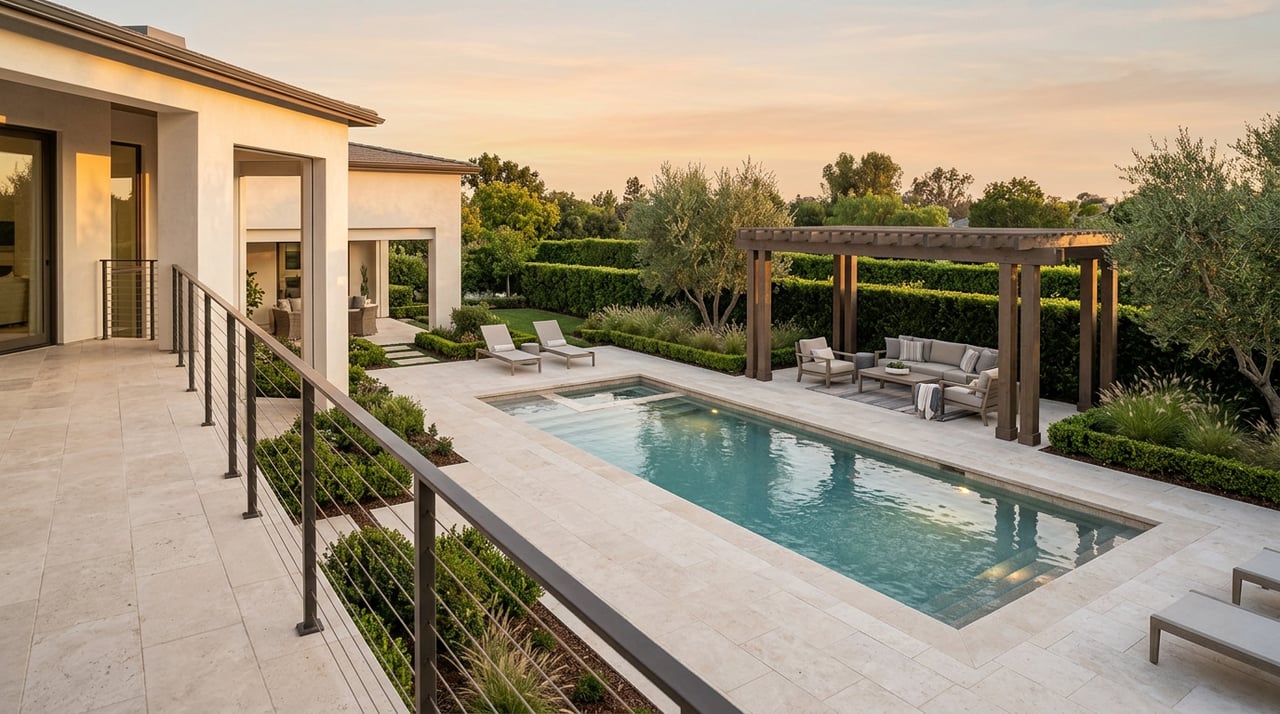
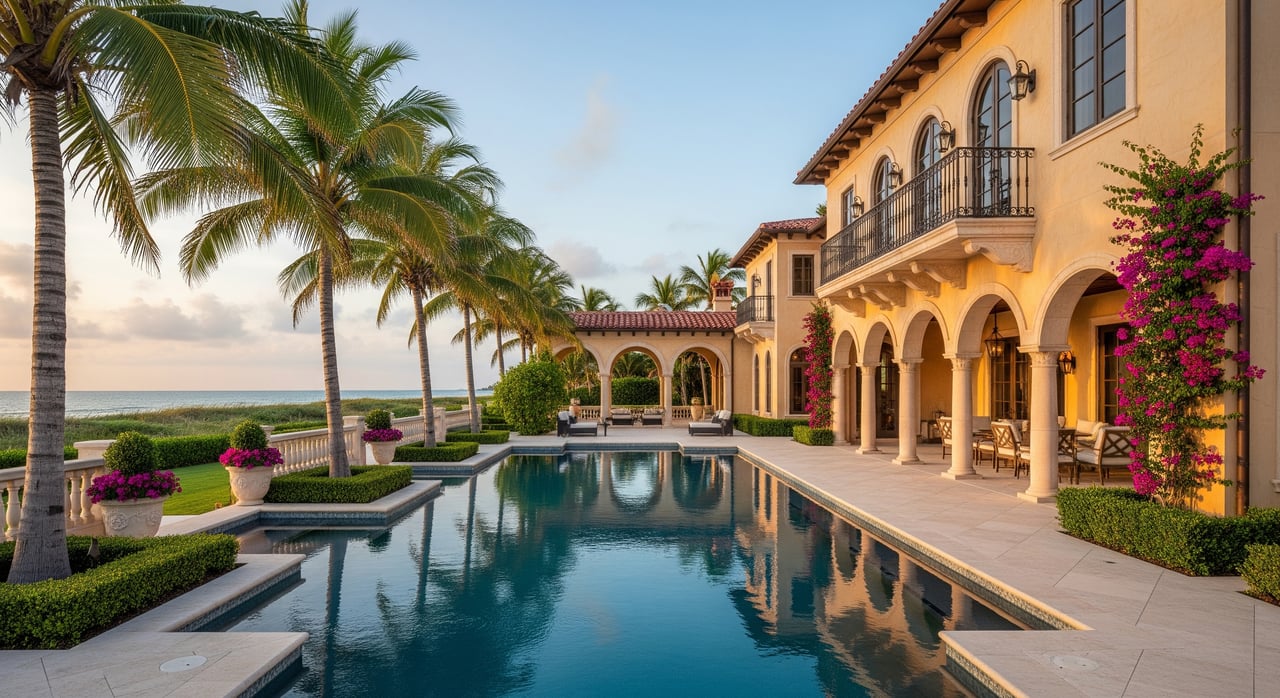
- Showcase outdoor living. Stage dining, lounge, and pool areas to sell the Florida lifestyle. Keep the pool clean and heated for photos if needed.
- Highlight waterfront features. If applicable, document dock and seawall condition and show boat access. Note water depth or permits when relevant.
- Plan the right photo timing. Golden hour shortly after sunrise or before sunset flatters exteriors and water views. Late morning can work for interiors when natural light is even. Overcast days can help reduce glare indoors. Twilight images are especially effective for pools and landscape lighting.
- Prepare interiors. Turn on all lights, open blinds to balance exposure, and remove small personal items. Stage key rooms like the living area, kitchen, and primary suite with neutral, elevated finishes that read as turnkey.
- Use the full media suite. Wide-angle interiors, aerial or drone shots for context, a 3D tour or floor plan, and short lifestyle video clips help buyers evaluate your home from anywhere.
- Emphasize resilience. Impact windows, shutters, generators, and other mitigation measures are valuable to coastal buyers. Call them out in your marketing.
- For condos, feature amenities. Pools, decks, on-site parking, security, and proximity to beaches and shops are often top of mind.
A curated, design-forward presentation signals value. It also speeds decisions for out-of-area buyers who must choose from afar.
Off-season strategies
If you need to sell in summer or early fall, you can still win. Use these tactics to make the most of a smaller buyer pool.
- Price positioning. Review recent comparable sales, current inventory, and days on market to set a price that attracts attention quickly.
- Targeted outreach. Focus on local buyers and investors who are active year-round. Provide clear information about lease rules and HOA policies if your property appeals to investment buyers.
- Flexible access. Make showings easy for buyers with limited travel windows. Keep the home showing-ready and set clear instructions.
- Finish strategic improvements. Complete visible repairs and cosmetic upgrades so your home outshines any comparable listings.
- Consider a pre-market plan. If your timing overlaps late fall, a brief Coming Soon period that follows MLS rules can build momentum for winter.
The goal is to trade a smaller audience for higher intent and less competition. With the right presentation, serious buyers will respond in any season.
Palm Beach seller checklist
Use this compact checklist to keep your sale on track. Timing assumes your listing goes live at Week 0.
8 to 16 weeks before listing:
- Define your goals and target window. If possible, align to winter.
- Meet your agent for a comparative market analysis and marketing plan.
- Schedule major repairs or renovations and order permits if needed.
- Arrange any required inspections for docks or coastal features.
4 to 8 weeks before listing:
- Complete cosmetic work like paint, flooring, and landscaping.
- Order HOA or condo documents and the association resale packet.
- Declutter and deep clean. Begin your staging plan.
2 to 3 weeks before listing:
- Set final staging for photographed rooms.
- Schedule professional photos, drone, and video. Add a twilight session if lighting is a strength.
- Consider a pre-list inspection and get bids for repairs.
1 week before listing:
- Finalize photos, 3D tour, floor plan, and property description.
- Prepare your seller disclosure package.
- Coordinate lockbox, keys, and showing instructions with your agent.
Listing day and after:
- Launch the listing with complete media and marketing.
- Plan an open house or broker tour during high-traffic days.
- Track showings and feedback. Adjust marketing or pricing if needed.
- Keep the property photo-ready for showings and inspections.
Plan your next steps
The best time to sell in Palm Beach is when your property is positioned to meet the right buyers. For many sellers, that means a late fall or winter launch with a polished, design-forward presentation and a clear strategy for exposure.
If you want a tailored plan for your home, connect with a boutique advisor who pairs curated presentation with global reach. With a design-minded approach and the distribution power of ONE Sotheby’s, Scott Correale can help you time the market, prepare a standout listing, and reach qualified buyers across the country and abroad. Schedule a Private Consultation or request a data-driven market valuation to get started.
FAQs
What is the best month to sell in Palm Beach?
- Buyer demand peaks in winter, roughly December through March. Listing in late fall or early winter positions you to capture early interest and the full seasonal wave.
How far in advance should I prepare for a winter listing?
- Begin planning in early fall. Allow 4 to 8 weeks for cosmetic work and 8 to 16 weeks for major projects so you are market-ready by late fall.
Is summer a bad time to sell a Palm Beach home?
- Summer is quieter, but motivated buyers still shop. With strong presentation, precise pricing, and targeted outreach, you can sell well with less competition.
Do waterfront homes follow different timing in Palm Beach?
- Yes. Luxury and waterfront properties see stronger winter activity and pricing pressure. Highlight dock and seawall condition, outdoor living, and water access.
When should I schedule listing photos in Palm Beach?
- Plan golden hour for exteriors, late morning for bright interiors, and a separate twilight session for pools and landscape lighting. Avoid harsh midday sun when possible.