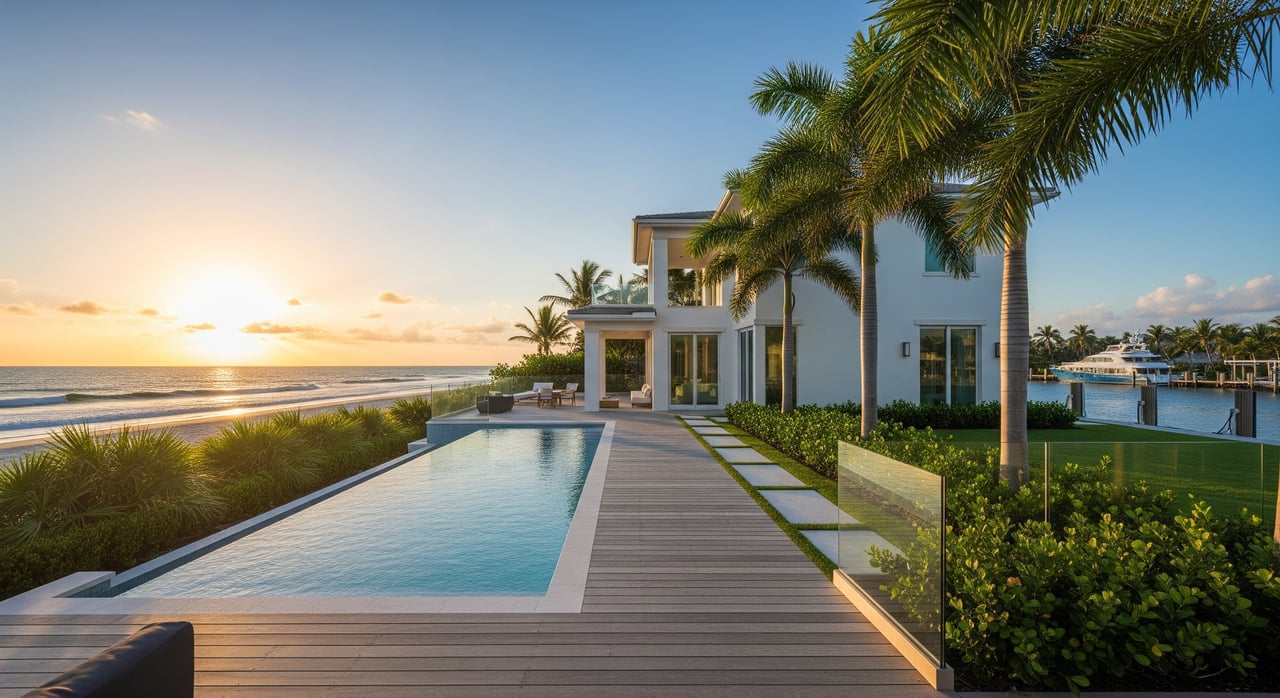
Trying to choose between an oceanfront balcony and an Intracoastal dock in Highland Beach? You are not alone. Both lifestyles offer incredible water views and access, but they deliver very different daily experiences, costs, and upkeep. In this guide, you will learn how oceanfront and Intracoastal living compare on views, access, building styles, insurance, and resale so you can pick the best fit for your lifestyle. Let’s dive in.
Highland Beach at a glance
Highland Beach is a narrow barrier island set between the Atlantic Ocean and the Intracoastal Waterway, just south of Delray Beach and north of Boca Raton. Most properties face either the ocean or the Intracoastal, and the island’s layout makes waterfront homes and condos premium inventory. Because land and shoreline are limited, oceanfront and prime Intracoastal listings see steady demand.
If you are downsizing or buying a second home, you likely want low maintenance, great views, easy access to the beach or boating, and predictable costs. Highland Beach offers all of this, but the experience differs based on which side you choose.
Views and daily rhythm
Oceanfront experience
- Oceanfront: You get unobstructed sunrise views, the sound of surf, and a wide-open horizon. It feels immersive and serene.
- Day to day, you may have more wind and salt exposure, and beaches can feel busier in season near public access points. Privacy varies by setback and neighboring buildings.
Intracoastal experience
- Intracoastal: Expect calmer water and sunset views over the waterway, with visual interest from boats and marinas.
- Many homes feel more sheltered from direct ocean spray and surf noise. Depending on the lot, the setting can feel private and maritime.
Beach and boating access
Beach access
Oceanfront: Direct, building-managed beach access is common and is a major draw for beach-oriented buyers.
Rules and beach use vary by season and local ordinances. Expect higher activity during peak months.
Intracoastal: You will not have direct ocean beach frontage. To reach the beach, you cross to an ocean access point or drive. If your priority is daily sun and sand at your doorstep, oceanfront is the simpler choice.
Boating and navigation
- Oceanfront: Private docks on the ocean side are not typical. For boaters, you will rely on a nearby marina or trailer launch and local inlets for ocean access.
- Intracoastal: The primary advantage is dockage. Many properties offer private docks, deepwater slips, or lifts with direct access to the waterway and nearby inlets. Always verify channel depth, permits, whether a slip is deeded or leased, and any association rules.
Building styles and amenities
Oceanfront properties
- Expect mid- to high-rise condos with stacked units and balconies that face the Atlantic.
- Amenities often include on-site beach access, ocean-facing pools, fitness centers, and concierge or valet services.
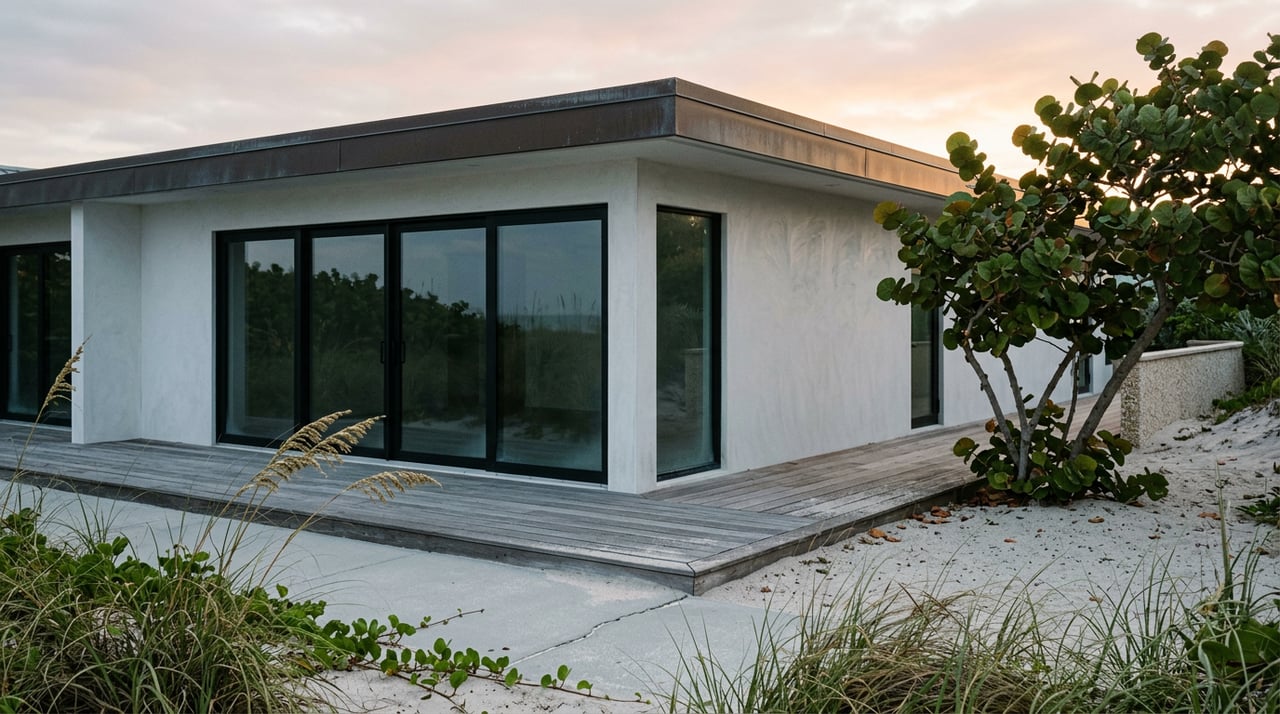
- Smaller oceanfront homes exist but are less common due to the island’s narrow tracts.
Intracoastal properties
- You will find a mix of low- to mid-rise condos, townhomes, and single-family homes.
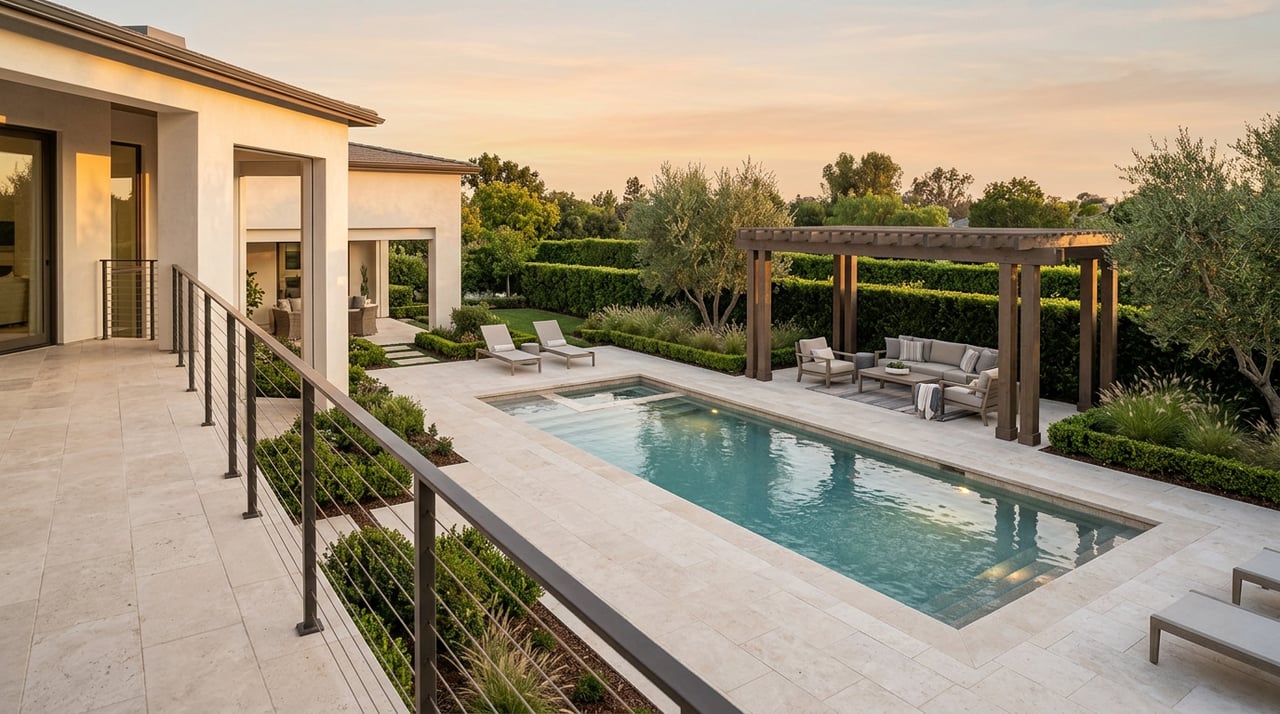
- Single-family residences frequently offer private yards and docks, which appeal to boaters and owners who want outdoor space.
- Styles range from modern townhouses and waterfront villas to older ranch homes, with some communities offering shared docks or seawalls.
Costs and maintenance
Oceanfront ownership
- Condo associations may carry higher monthly dues that reflect amenities like beach maintenance, pools, elevators, and security.
- Coastal wear and salt exposure can shorten replacement cycles for exterior elements such as balconies, windows, and façade finishes, which influences reserves and long-term planning.
Intracoastal ownership
- Single-family owners are responsible for seawalls, docks, lifts, landscaping, and private amenities. These can be meaningful ongoing costs.
- Docks and equipment require routine maintenance and may need permit renewals or occasional dredging.
What to request
- For either side, ask for HOA budgets, reserve studies, meeting minutes, recent special assessments, and inspections. For Intracoastal, also request seawall and dock inspection reports.
Insurance, flood risk, and building code
- Both oceanfront and Intracoastal parcels sit in coastal flood zones. FEMA designations vary property by property, and may include AE or VE zones. Oceanfront sites are more likely to fall in higher-velocity wave zones, which can affect construction requirements and insurance.
- Florida’s insurance market is dynamic. Expect higher premiums for coastal homes, and plan to obtain quotes for wind, homeowners, and flood coverage before you make an offer.
- Wind mitigation features, elevation, impact windows, shutters, and reinforced roofs can materially reduce premiums. New builds and substantial renovations must meet Florida Building Code and local coastal standards.
Resale and value drivers
- Oceanfront: Direct beach frontage and unobstructed Atlantic views often command a price premium per square foot. Demand is strong among buyers who want the beach lifestyle.
- Intracoastal: Properties with deeded deepwater docks and larger lots are highly prized by boating-focused buyers and can match or exceed oceanfront pricing. Marketability depends on dock ownership, seawall condition, and navigational depth.
There is no universal winner. Your best value depends on what you plan to use most: the beach under your feet or a boat at your back door. Review recent comparable sales on both sides of the island to confirm current trends.
Quick decision checklist
Use these criteria to narrow your choice:
- Primary lifestyle priority: daily beach time or direct boating access
- View preference: open Atlantic horizon or sheltered waterway sunsets
- Maintenance tolerance: HOA-managed building or private dock and seawall upkeep
- Insurance comfort: willingness to shop quotes and potentially pay higher premiums
- Accessibility: elevator living or minimal stairs for daily ease
- Privacy and noise: proximity to public beach access or Intracoastal boat traffic
- Resale and rental goals: holding period and any rental plans subject to association rules
- Budget reality: purchase price plus HOA dues, insurance, maintenance, and property taxes
- Storm planning: comfort with evacuation logistics and perceived exposure
Rank your top five non-negotiables and test each property against them.
Due diligence steps
Before you write an offer, complete these steps:
- Confirm the parcel’s FEMA flood zone and Base Flood Elevation and review the elevation certificate.
- Obtain current quotes for wind, homeowners, and flood insurance from multiple carriers.
- Review HOA financials, reserve studies, meeting minutes, litigation history, and any recent special assessments.
- For Intracoastal properties, verify dock ownership, permits, and channel depths at mean low tide. Request recent seawall and dock inspections.
- Commission a coastal-focused inspection. For condos, look at balconies, façades, windows, and reserves. For single-family, focus on seawalls, docks, pilings, lifts, and roof systems.
- Compare recent 6 to 12 month sales on both the oceanfront and Intracoastal sides to benchmark value.
Who tends to prefer each side
- Oceanfront high-rise condo: Ideal if you want minimal maintenance, a private beach path, and resort-style amenities. Tradeoff is higher HOA dues and less private outdoor space.
- Oceanfront boutique condo: Good fit if you value a quieter building with fewer units and a direct beachwalk, often with more modest monthly fees than large towers.
- Intracoastal single-family with dock: Best for boaters or anyone who wants a yard, garage storage, and private dockage. Budget for seawall and dock upkeep.
- Intracoastal townhouse or condo with shared dock: A balanced option for downsizers who want water views and some dock access with lower maintenance than a single-family home.
Final take
Oceanfront and Intracoastal living in Highland Beach both deliver a rare waterfront lifestyle, but they do it in different ways. If you want instant beach access and sunrise horizons, oceanfront will likely feel like home. If you plan your days around boat trips and sunset views, Intracoastal may be the better fit. The best choice is the one that aligns with your top priorities, risk tolerance, and budget after you complete smart due diligence.
Ready to tour both sides and compare options in person? Schedule a Private Consultation with Scott Correale to map your must-haves to the right Highland Beach properties.
FAQs
What is the key difference between oceanfront and Intracoastal homes in Highland Beach?
- Oceanfront delivers direct beach access and open Atlantic views, while Intracoastal emphasizes dockage, boating convenience, and calmer water views.
How does flood zone status affect insurance for Highland Beach waterfront homes?
- Properties in VE zones often face stricter construction standards and potentially higher premiums than AE zones; always obtain property-specific quotes and review elevation and wind mitigation.
Can I have a private dock at an oceanfront property in Highland Beach?
- Private docks on the ocean side are generally not typical; boaters usually choose Intracoastal properties with deeded docks or rely on nearby marinas and inlets.
What ownership costs should I expect in an oceanfront condo?
- Expect HOA dues that reflect amenities like beach access, pools, elevators, security, and coastal maintenance considerations, plus separate insurance premiums.
Are short-term rentals allowed in Highland Beach condos?
- Policies vary by association and local ordinance; review condominium rules and municipal codes for any rental restrictions before buying.
Which has stronger resale potential in Highland Beach: oceanfront or Intracoastal?
- It depends on buyer priorities; oceanfront often carries a premium for direct beach frontage, while Intracoastal homes with deeded deepwater docks are highly competitive; verify with recent comps on both sides.