Craving the energy of a beach town with the comfort of a true neighborhood? In Delray Beach, you get both: ocean breezes and a lively downtown, plus quiet streets and easy daily living. If you are weighing a second home or a move to Palm Beach County, you want a clear picture of how different parts of Delray feel, what drives pricing, and the practical costs to plan for. This guide walks you through lifestyle, neighborhoods, seasonality and buyer must-knows so you can decide if Delray fits your life. Let’s dive in.
Why Delray Beach draws people
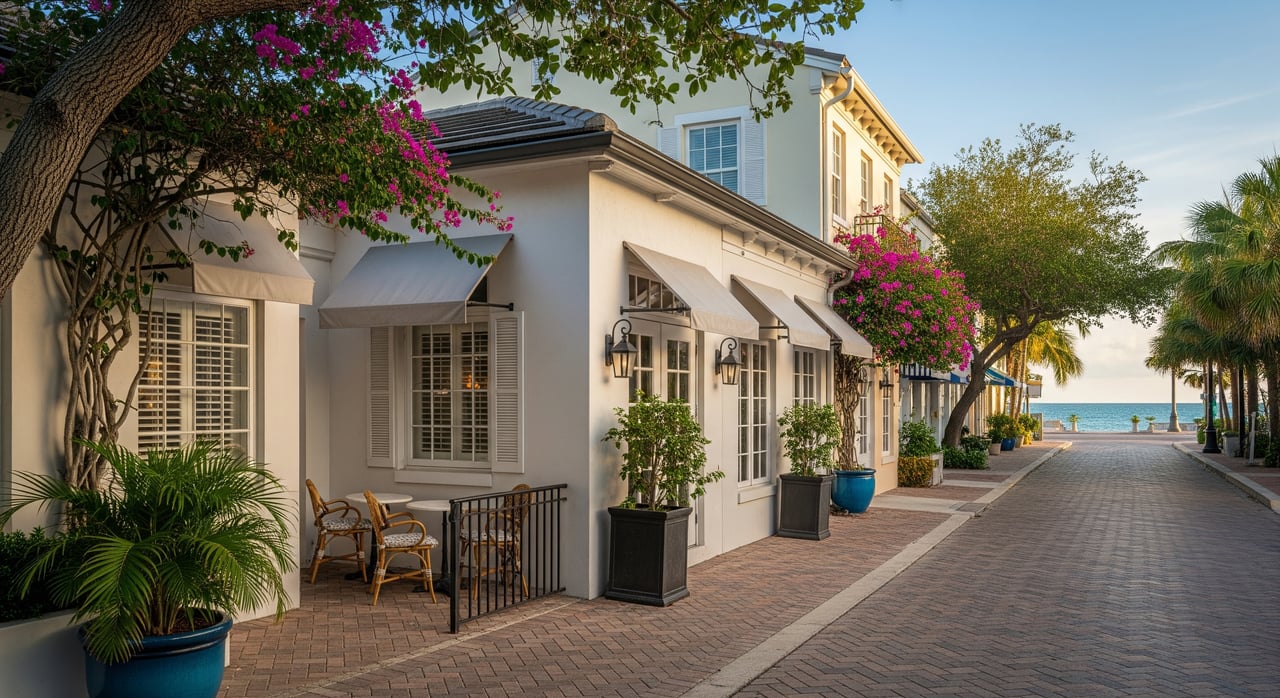
Delray Beach blends coastal fun with a walkable “village” heart. Atlantic Avenue anchors an active downtown of dining, galleries and nightlife. Just east, the beachfront corridor delivers classic Florida days on the sand and the intracoastal.
Head west of US-1 and you find a calmer, more residential feel. Streets get leafier, lots get larger and many neighborhoods favor single-family homes. You will meet year-round locals, retirees, seasonal snowbirds, young professionals and second-home owners.
Neighborhoods at a glance
East of US-1 coastal area
This is the beachfront and intracoastal zone, including the barrier island. You will see high-rise and mid-rise condos, boutique low-rise buildings and a limited number of historic cottages and single-family homes. It is all about water access and views.
- Best for: Buyers who want maximum beach access and walkability to Atlantic Avenue.
- Home types: Oceanfront or intracoastal condos, beach cottages, and a small number of single-family homes.
- Key tradeoffs: Higher price per square foot for views and proximity, plus more visitor activity and foot traffic.
Downtown, Pineapple Grove and historic streets
Around Atlantic Avenue, you will find walkable condos, townhomes, renovated historic houses and small-lot single-family homes. This is the “village” heart of Delray with frequent arts events and an easy stroll to restaurants and galleries.
- Best for: People who want a pedestrian lifestyle without living directly on the beach.
- Home types: Urban-style condos, townhomes and character-rich historic homes.
- Key tradeoffs: Lively energy and nightlife nearby can add noise at peak times.
West of US-1 residential
Move west for larger homes, quieter blocks and gated options. Many neighborhoods are near golf courses, lakes and suburban shopping.
- Best for: Full-time residents and anyone seeking more space and value per square foot.
- Home types: Single-family houses, newer subdivisions and some gated communities.
- Key tradeoffs: More car-dependent living and longer walks to downtown or the beach.
Special pockets and lifestyle niches
Across Delray, you will also find golf and country-club communities with private amenities, canal-front homes and inland lakes. Historic districts offer architecture and character, with potential restrictions that balance preservation and updates.
- Best for: Buyers who want community amenities or a specific architectural vibe.
- Key tradeoffs: Association rules, potential renovation limits and varying maintenance costs.
Daily life and getting around
Walkability and downtown life
Atlantic Avenue is a compact, pedestrian hub filled with restaurants, bars, boutiques and galleries. The Pineapple Grove Arts District adds public art and creative spaces within walking distance. If you live downtown or near the beach, a car-optional lifestyle can be realistic for daily errands and dinner plans.
Beaches and the outdoors
The Atlantic Ocean and the intracoastal shape daily routines. You can swim, sunbathe, paddle, boat and fish. Parks, promenades and nearby green spaces make it simple to stay active. You are also close to regional cultural attractions, including a notable Japanese garden and museum and a calendar of art fairs and a professional tennis event.
Transportation and access
US-1 and I-95 are your primary driving corridors for local and regional trips. Palm Beach International is the closest major airport, with Fort Lauderdale and Miami also within reach for broader travel. Local bus service operates in and around Delray, and regional rail and higher-speed intercity rail options connect the South Florida corridor. Downtown areas score well for walkability while many residential zones are more car or bike dependent.
Real estate market basics
What drives pricing
Oceanfront and intracoastal properties command higher prices, as do condos near Atlantic Avenue with strong walkability. Downtown convenience and water views push price per square foot up. West-side single-family homes often deliver more space for the money.
Strong interest from second-home buyers and seasonal residents also shapes demand. In some condo buildings, short-term rental potential can influence pricing, depending on city rules and association policies.
Ownership costs to plan for
Florida’s coastal setting is part of the appeal, and it also adds costs. It pays to budget with care.
- Insurance: Wind, hurricane and flood exposure can raise premiums. Some properties may require separate flood insurance depending on FEMA flood zones and elevation.
- HOA and condo fees: Buildings with amenities and coastal maintenance needs often have higher monthly fees. Review what is covered.
- Building standards: Newer construction reflects updated Florida codes for storm resilience. Compare materials, impact glass and recent retrofits when evaluating older buildings.
- Short-term rentals: Delray Beach has local rules and licensing for vacation rentals, and HOAs or condos may add restrictions. Confirm before you buy.
- Property taxes: Florida has no state income tax. Property taxes and local assessments vary. Check records and exemptions with Palm Beach County offices as part of your planning.
Seasonality and timing
Delray’s high season runs through winter and early spring. Expect more visitors, busier restaurants and higher short-term rental occupancy. Summer and fall feel quieter, but this period includes hurricane season.
If you are deciding between downtown or a west-side neighborhood, visit in both high and low seasons. Walk the streets during weekend events and on quieter weekdays to feel differences in noise, parking and traffic.
Smart due diligence for buyers
Use this quick checklist to go from curious to confident.
- Verify FEMA flood zone and property elevation, then obtain insurance quotes from multiple providers.
- Request HOA or condo financials, budgets, reserve studies and recent meeting minutes to check for special assessments.
- Review Delray Beach rules and licensing for short-term rentals and confirm association restrictions.
- Inspect for hurricane readiness, including impact windows and doors, roof condition and recent retrofits.
- Request utility and maintenance histories, especially for beachfront properties where salt exposure can accelerate wear.
- Confirm property tax history and whether a homestead exemption will apply if you plan full-time residency.
- Map your daily life: distances to Atlantic Avenue or the beach, public parking options, and typical traffic at peak times.
- If schools are part of your plan, consult the Palm Beach County School District and private school directories for current options.
Who Delray is great for
Delray Beach supports more than one lifestyle. Here is how to find your fit.
- Walkable-life seekers: You want to stroll to dinner, browse galleries and keep the car parked most days. Downtown and Pineapple Grove are strong choices.
- Beach-first buyers: Your day revolves around the sand and the intracoastal. East of US-1 delivers views and access with higher pricing and more activity.
- Space-and-quiet shoppers: You want extra square footage, a yard and calmer evenings. West-side neighborhoods often provide better value and room to grow.
- Design lovers and historic charm: You appreciate architecture and character. Historic districts and boutique buildings downtown may be a match, with tradeoffs on modernization and rules.
- Amenity-focused residents: You prefer club amenities, golf or community programming. Explore country-club communities and gated neighborhoods tailored to those lifestyles.
How to explore Delray like a local
A smart scouting trip can save time and clarify your goals.
- Start with a lifestyle map: Beachfront morning, Atlantic Avenue lunch, then a sunset drive through west-side neighborhoods. Note what feels right.
- Test transportation: Try a weekday commute on I-95, a weekend parking run downtown and a quick trip to Palm Beach International.
- Sample both seasons: If possible, visit during a festival or tennis week and again in a quieter month. Compare sound, foot traffic and wait times.
- Walk from a few addresses you like: Check block-by-block walkability, lighting at night and beach access points.
Ready for a tailored plan?
You do not have to navigate these choices alone. A design-minded approach can help you weigh architecture, walkability, coastal exposure and association rules with clarity. If you want a thoughtful, boutique strategy backed by world-class marketing reach, connect with Scott Correale to map your next steps and schedule property tours.
FAQs
What is daily life like in downtown Delray Beach?
- Expect a compact, walkable core around Atlantic Avenue with restaurants, galleries and frequent events, plus easy access to the beach from many addresses.
How do ownership costs differ for Delray Beach condos?
- Condo fees can be higher in buildings with amenities and coastal maintenance, and you should review budgets, reserves and recent meeting minutes for special assessments.
Do I need flood insurance in Delray Beach?
- It depends on your specific property’s elevation and FEMA flood zone, so verify the designation and get quotes to understand coverage and deductibles.
Are short-term rentals allowed in Delray Beach?
- The city has local regulations and licensing, and many HOAs or condo associations impose additional restrictions, so confirm rules before you buy.
What are the best transportation options in Delray Beach?
- US-1 and I-95 handle most drives, Palm Beach International is the closest major airport, and regional rail plus local bus service connect the broader metro.
When should I visit to evaluate neighborhoods?
- Tour during high season for a sense of crowds and activity, then return in a quieter month to compare parking, traffic and noise in your preferred areas.